02 / Empirical Attribution & Forensics

The Analytical Laboratory

Undisclosed thermal treatments, synthetic overgrowth, and misattributed maker marks carry real financial risk. Every specimen and decorative object cataloged by House of Design Research undergoes non-destructive optical, gravimetric, and metallurgical verification prior to trade release.

Primary Location
South Mountain & Ottawa Corridor, ON
Verification Standard
Multi-Parameter Quantitative Concordance
Documentation Output
Digital Spectral Profiles & Dossier Sheets
Optical & Spectral Acquisition

Visible-Light Absorption & Calibration

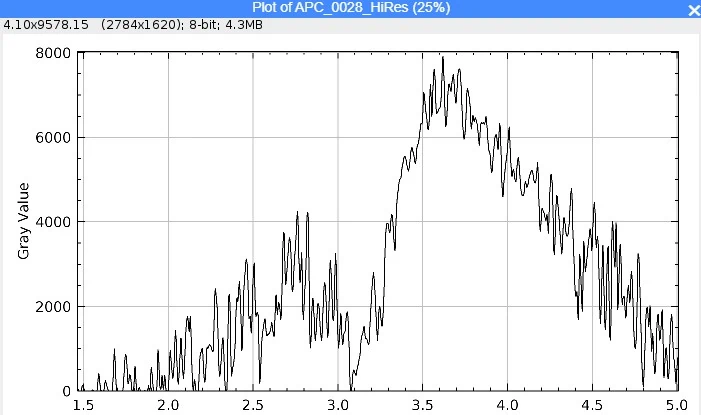
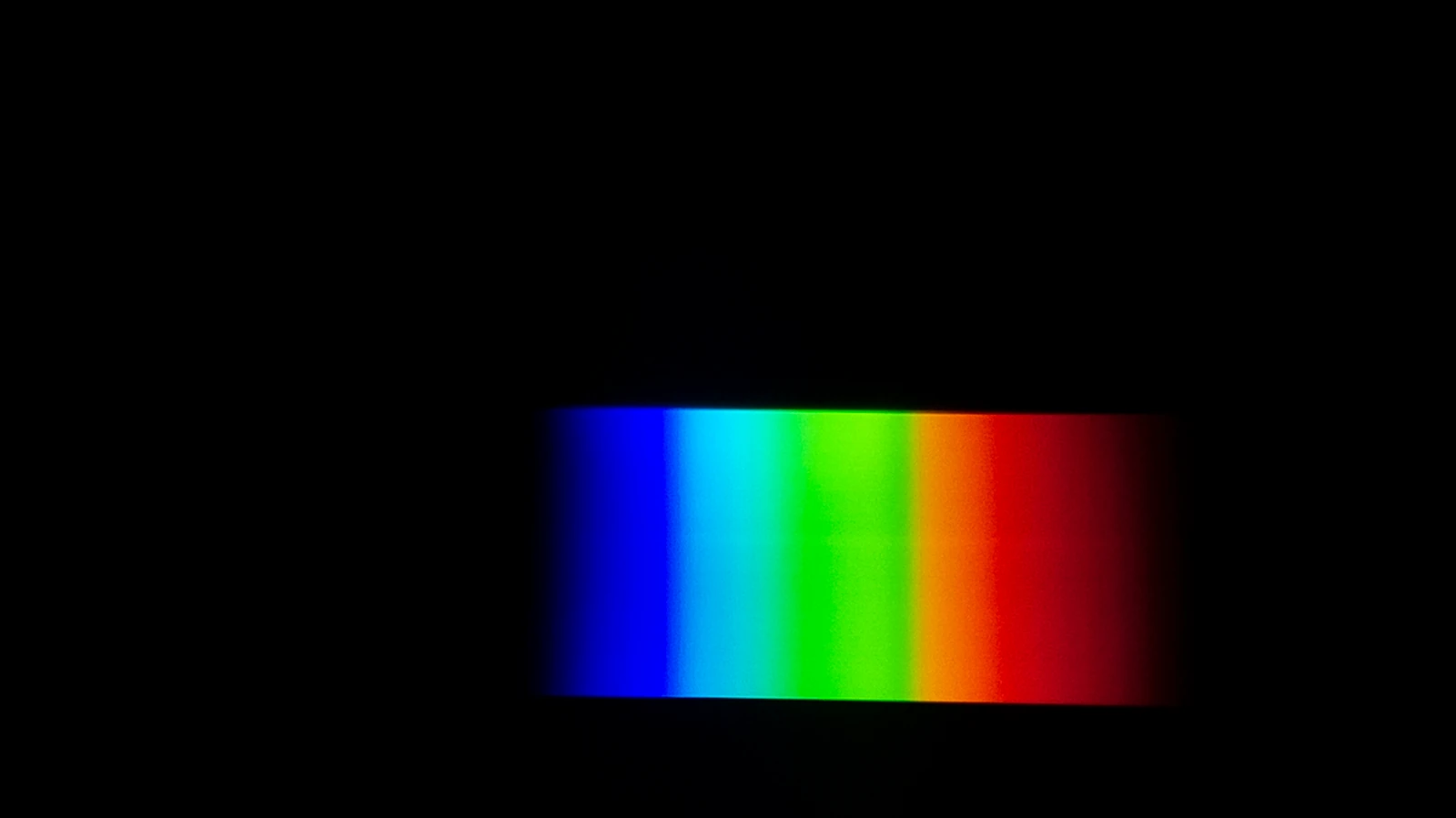
Custom diffraction-grating optical imaging calibrated against known mercury-phosphor emission peaks and processed via multi-channel ImageJ spectral extraction.

Multi-channel optical absorption and transmission spectral sensor plot
FIG 1.0 // Spectral Sensor Profile RGB Channel Intensity & Transmission Curve (400–700 nm)
Optical spectroscope wavelength calibration reference capture
FIG 1.1 // Calibration Standard Pixel-to-Nanometer Linear Regression Baseline
Core Testing Protocols

Three-Stage Verification Workflow

STAGE 01 // OPTICAL & SPECTRAL

Refractometry & Absorption Spectroscopy

Determination of refractive index (RI), birefringence, and optic sign paired with digital slit-spectroscopy to isolate chromophore absorption bands (Cr³⁺, Fe²⁺/Fe³⁺, Co²⁺, and rare-earth signatures) and separate natural stones from synthetic or glass simulants.

  • RI Range1.300 – 1.810 (Contact Fluid)
  • Spectral Band400 nm – 700 nm Visible
  • Fluorescence365 nm Longwave UV
STAGE 02 // GRAVIMETRIC & INTERNAL

Hydrostatic Density & Photomicrography

Precision specific gravity (SG) measurement via suspended hydrostatic weighing in distilled media, followed by darkfield and oblique fiber-optic stereo microscopy to document crystal growth zoning, fluid/mineral inclusions, and heat-treatment indicators.

  • GravimetryHydrostatic Torsion & Digital
  • Magnification10x – 60x Stereo Darkfield
  • PleochroismCalcite Dichroscope / Polariscope
STAGE 03 // METALLURGICAL & ARCHIVAL

Non-Destructive Alloy & Provenance Audit

Precious metal mountings undergo inductive eddy-current conductivity profiling and galvanic electrochemical comparison against pure copper reference standards—avoiding acid-scratch damage on period platinum, gold, and silver work.

  • ConductivityInductive Eddy-Current Rig
  • ElectrochemicalGalvanic Potential Differential
  • CatalogingHallmark & Maker Attribution
Bench Infrastructure

Instrumentation & Analytical Capabilities

Instrument / System Measurement Parameter Primary Application
Diffraction Spectroscope & CMOS Rig λ 400–700 nm Absorption Chromophore identification in corundum, beryl, spinel, garnet, and cobalt/uranium studio glass.
Critical-Angle Gemological Refractometer n = 1.300 – 1.810 (±0.002) Single/double refraction separation, birefringence calculation, and optic character determination.
Hydrostatic Specific Gravity Balance SG (g/cm³) Archimedes Non-invasive bulk density verification for mounted and unmounted rough or faceted specimens.
Stereo Darkfield & Polarizing Microscope 10x–60x + Crossed Polars Inclusion mapping, silk/rutile integrity checks (unheated vs. thermally altered), and strain patterns.
Filtered 365 nm Longwave UV Source LWUV Excitation Response Fluorescence zoning in diamonds, Burmese vs. Thai ruby screening, and uranium/manganese glass attribution.
Inductive Eddy-Current & Galvanic Suite Relative Alloy Conductivity Non-destructive differentiation of high-karat gold, platinum-group alloys, sterling silver, and base-metal cores.
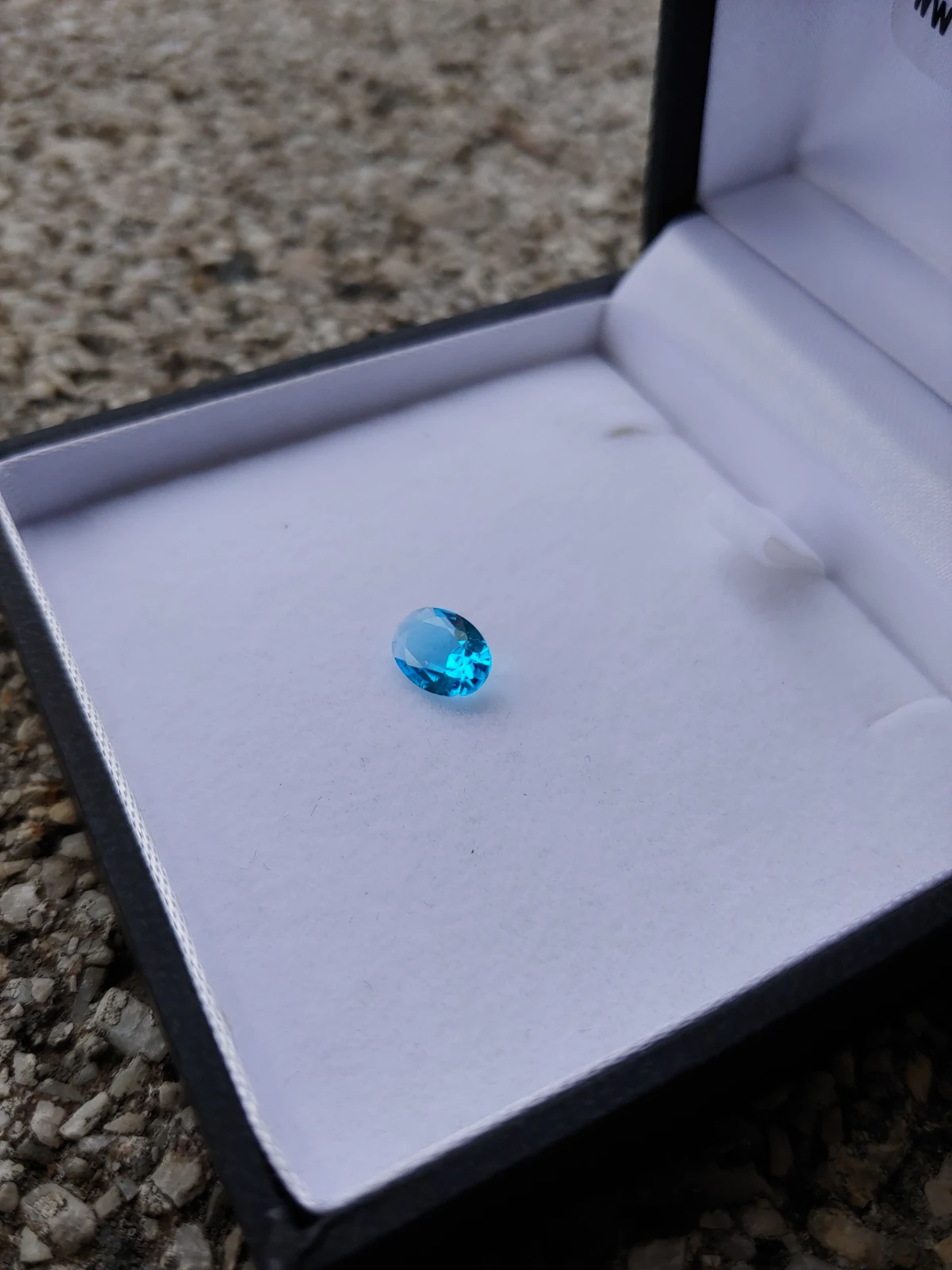
Cataloged specimen study under controlled studio lighting
ARCHIVE PLATE 01 // Specimen Study Controlled Daylight-Balanced Capture
Recent laboratory catalog documentation specimen
ARCHIVE PLATE 02 // Recent Acquisition Pre-Release Attribution Record
Empirical Engineering & Calibration

Bench R&D Field Notes

In-house hardware modifications and non-destructive testing protocols developed to resolve real-world attribution challenges.

LOG 2026-09 // OPTICAL ATTENUATION

Extended Visible-Spectrum Range (390–750 nm)

By integrating an Optex 80B optical attenuation filter onto the primary 3000K halogen light source, mid-spectrum intensity was flattened to allow higher sensor exposure without clipping. This expanded reliable spectral capture from 445–715 nm down into the 390–750 nm range—critical for isolating UV-blue edge absorption features that separate natural stones from synthetic counterparts.

  • Effective Bandwidth~390 nm – 750 nm
  • Primary ApplicationNatural vs. Lab-Grown Screening
LOG 2026-08 // INDUCTIVE METALLURGY

Non-Destructive Eddy-Current Alloy Profiling

Constructed a custom audio-frequency inductive field rig utilizing salvaged transformer cores to measure eddy-current voltage drop across unknown metal mountings. Unlike surface acid testing, the magnetic field penetrates below heavy plating or vermeil to differentiate solid sterling silver, low-karat gold, and plated base-metal cores without marring period pieces.

  • MethodAudio-Frequency Magnetic Induction
  • Surface ImpactZero-Contact / Non-Destructive
Trade & Collector Inquiries

Request Specimen Dossiers or Sourcing

Browse verified holdings in the visual archive or access wholesale trade specifications.